
When Broadway Recast American History: The Musical in the 2010s
Lin-Manuel Miranda, Lisa Kron, Jeanine Tesori, and Anaïs Mitchell changed whose lives occupied a Broadway stage, while Hollywood found new uses for the old musical spectacle.
Lin-Manuel Miranda, Lisa Kron, Jeanine Tesori, and Anaïs Mitchell changed whose lives occupied a Broadway stage, while Hollywood found new uses for the old musical spectacle.
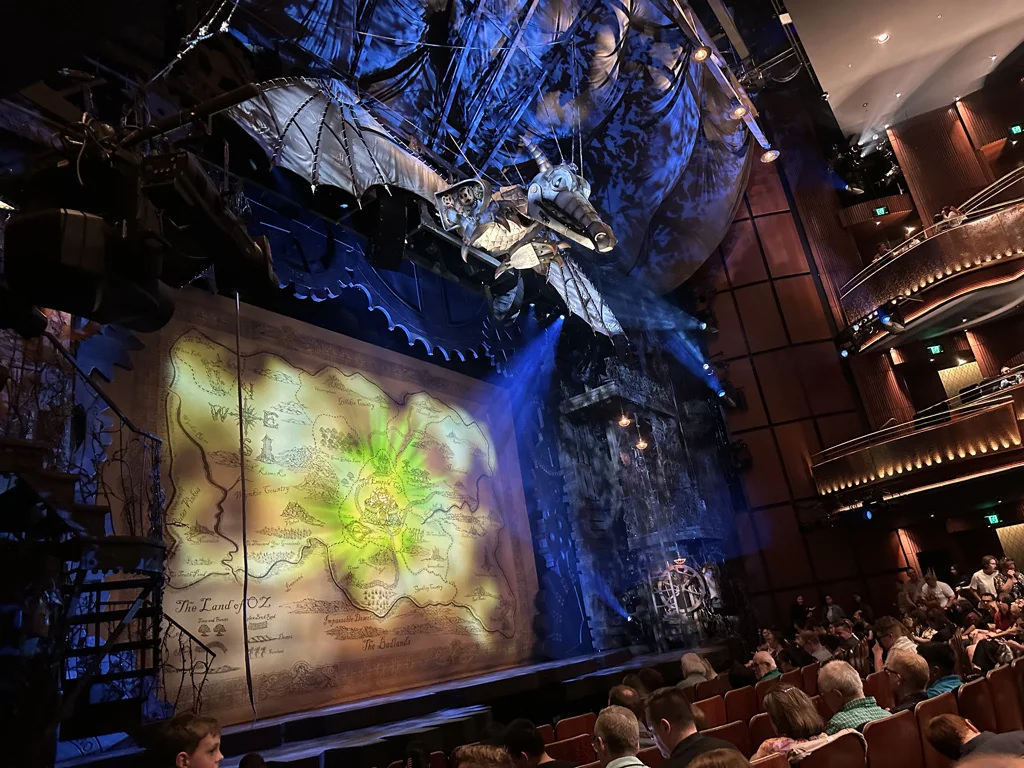
After September 11, New York used Broadway to invite visitors back. On stage and on screen, familiar stories were being rebuilt for different audiences.

Disney brought the animated musical to Broadway while Jonathan Larson brought the East Village uptown. Both were redefining what an American musical could look and sound like.
A scenic designer reflects on five accessible Orange County restaurant environments that use atmosphere, set dressing, lighting, layout, and mood to create small-scale themed experiences beyond the theme park.
A practical look at regional theatre creative-team compensation, from LORT minimums to non-union reality, and why a career in scenic design often begins long before it pays like one.
A scenic designer does more than make a set. Scenic design turns script, space, collaboration, and performance into a world the audience can read.
A birthday reflection on creative work, unseen growth, collaboration, curiosity, and staying open to what comes next.
A practical essay on how scenic designers can build sustainable careers across theatre, themed entertainment, visualization, rendering, freelance practice, and other adjacent spatial design fields.
A publishing workflow for exporting finished Vectorworks renderings as presentation-ready images without keeping heavy live viewports in the file.
A scenic rendering workflow for comparing the same model across render looks, building a lighting layer, and choosing Renderworks settings with intention.
A camera setup workflow for scenic renderings in Vectorworks: create a visualization layer, place the camera, frame the shot, and turn the view into a renderable viewport.
A practical rendering workflow for keeping Vectorworks scenic files responsive by managing imported models, USDZ handoffs, mesh cleanup, texture size, and final output decisions.
What makes a scenic rendering useful in production: clear visual hierarchy, material logic, and communication choices teams can actually build from.
How the elements and principles of design shape live performance before an audience understands the story intellectually.
How to build a scenic-focused digital portfolio in 2026 with stronger structure, better indexing, and clearer project storytelling.
How environment design lessons from games can sharpen scenic world-building, audience orientation, and spatial storytelling.
A design-history survey tracing themed entertainment from early spectacle gardens to contemporary immersive environments and experience-led storytelling.
A personal reflection on forty scenic designs at Okoboji Summer Theatre, the rhythm of summer stock, and the collaborations that shaped a long creative relationship.
A birthday reflection on authenticity, grace, burnout, uncertainty, and becoming more fully yourself rather than reinventing for the sake of performance.
A realistic guide to becoming a scenic designer, covering training paths, portfolio development, collaboration habits, and career positioning.
How Romero used scenic space as memory architecture, shaping ritual, grief, and political urgency onstage.
A scenic reflection on how Maude Adams' legacy at Stephens College continues to influence theatre training, pedagogy, and design values.
A reflective essay on critique, revision, and the moment scenic design shifted from presentation toward real-time design thinking.
A themed entertainment studio project exploring how theatre design students translated environmental storytelling into a Studio Ghibli-inspired immersive dining concept.
A scenic designer's field test of Sora for concept development and team communication, with practical guidance for production use.
Explore how 20 different lighting styles transform AI-generated scenes in Sora and Midjourney, with practical prompt strategies for theatre designers and visual storytellers.
A scenic case study of All My Sons focused on spatial ethics, domestic realism, and the dramaturgy of the Keller home.
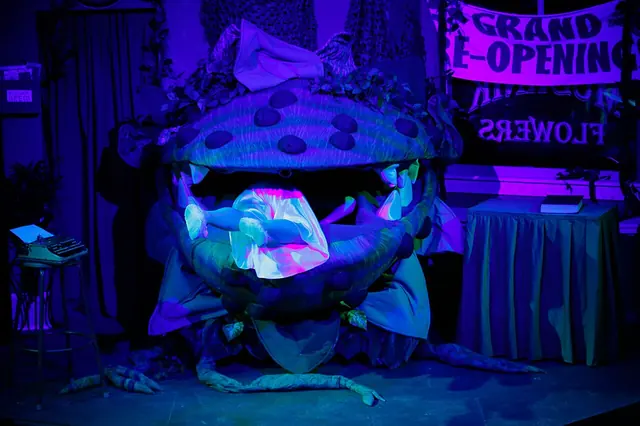
A scenic-focused study of how MTV aesthetics, youth-driven film narratives, and cross-platform adaptation reshaped musical storytelling in the 1980s.

A practical hardware guide for scenic designers who need dependable drafting, modeling, and rendering performance in real production timelines.
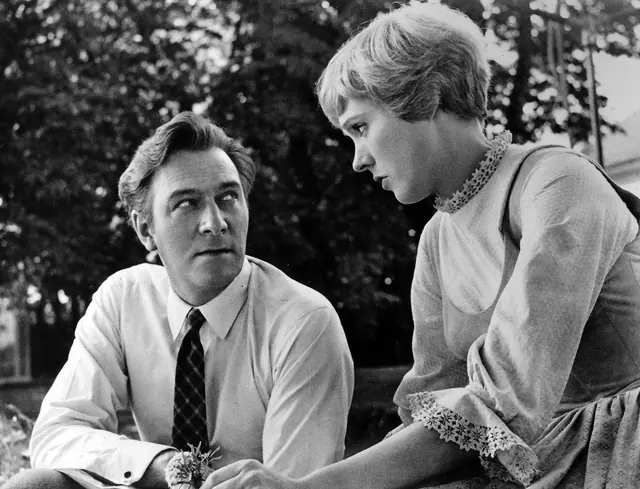
How 1960s musicals disrupted inherited formulas and reshaped scenic language across film, stage, and popular culture.
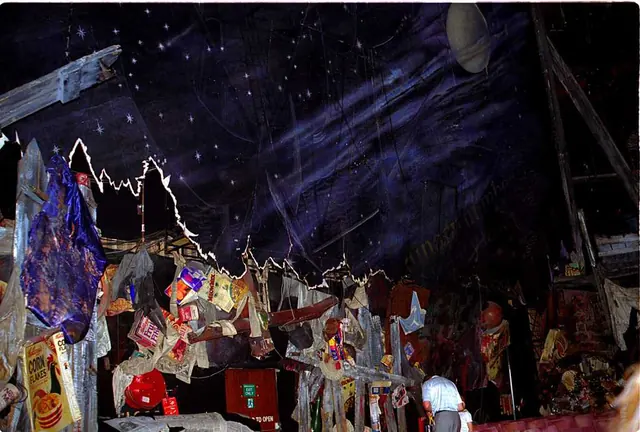
How Andrew Lloyd Webber, Cameron Mackintosh, and their collaborators transformed musical theater from intimate dramas into global blockbuster entertainment.
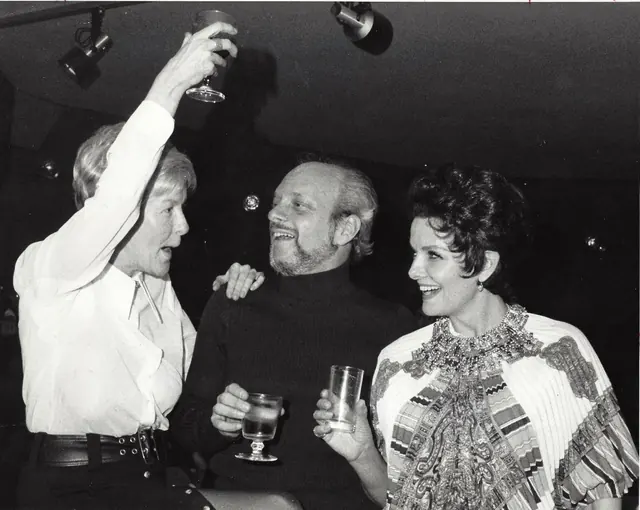
A scenic-focused history of the concept musical and the artists who pushed Broadway away from tidy plots and toward thematic structure, fragmentation, and theatrical self-awareness.
A reflection on building artistic voice in scenic design while staying accountable to story, collaboration, and craft.

How art direction builds coherent visual worlds in film and television through concept alignment, team coordination, and material execution.
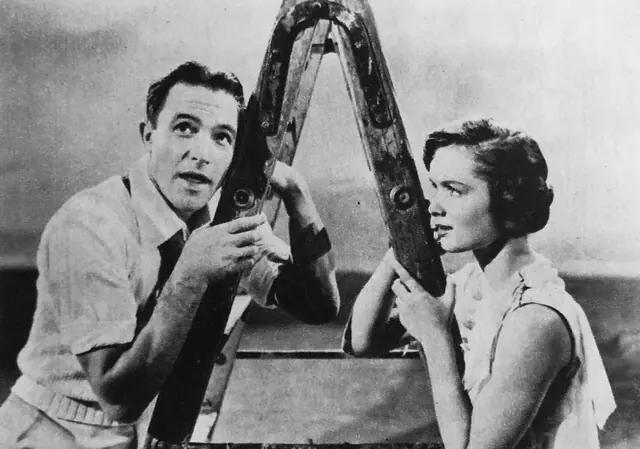
How Hollywood's musical era fused choreography, camera, and scenic composition into a visual language that still influences stage design.
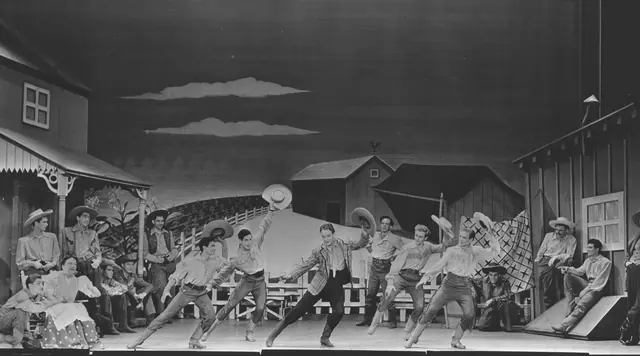
A scenic lens on Broadway's Golden Age and the design vocabulary that still shapes musical theatre production today.
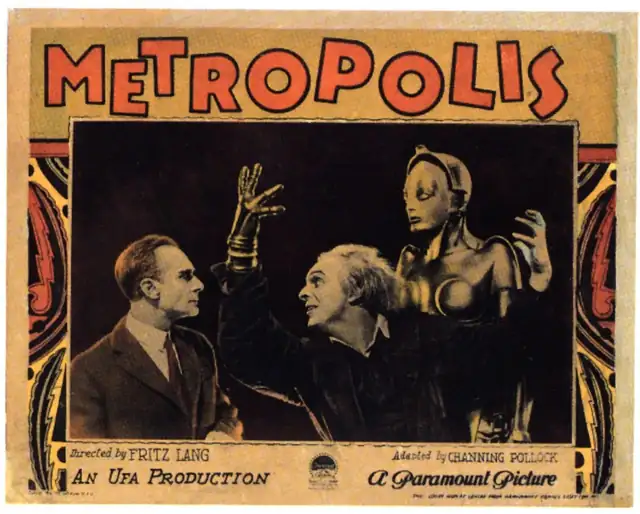
A scenic-focused history of early film language, tracing how editing, camera placement, synchronized sound, color, and mise-en-scene reshaped visual storytelling before the 1940s.

A scenic design history of opera from Baroque machinery to contemporary staging, and what those traditions still teach designers now.
Why minimalist scenic design continues to lead regional theatre in 2025, and how restraint can increase flexibility, clarity, and visual impact.
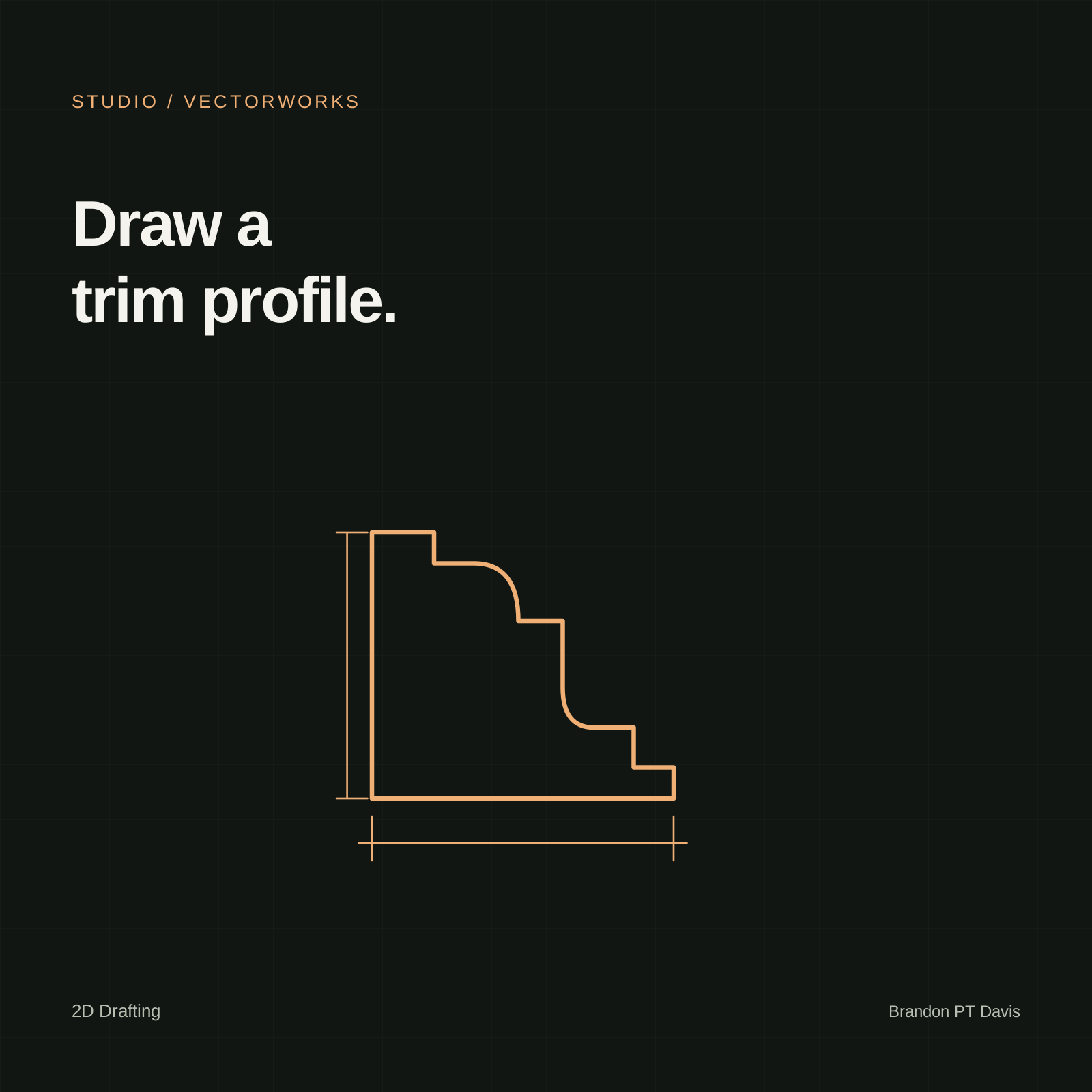
A practical Vectorworks workflow for creating clean, reusable trim profiles with the Polyline tool for scenic drafting and production packages.
A scenic breakdown of Urinetown focused on authoritarian architecture, class contrast, and the mechanics of dystopian satire.
How to present scenic design ideas with clarity and authority to directors, producers, shops, and creative teams.
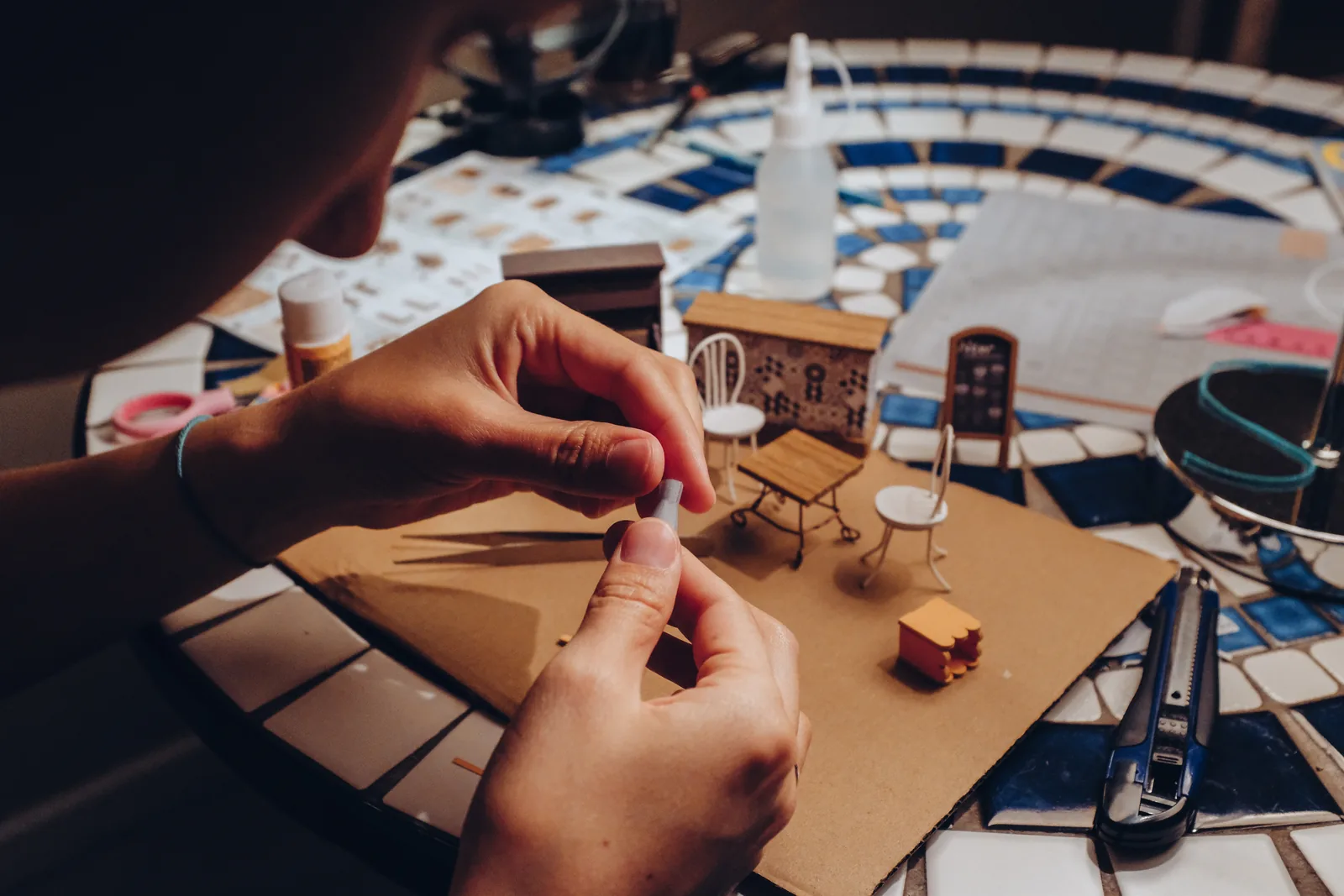
A practical step-by-step guide to the scenic design process, from script analysis and visual research through drafting, tech, and opening night.
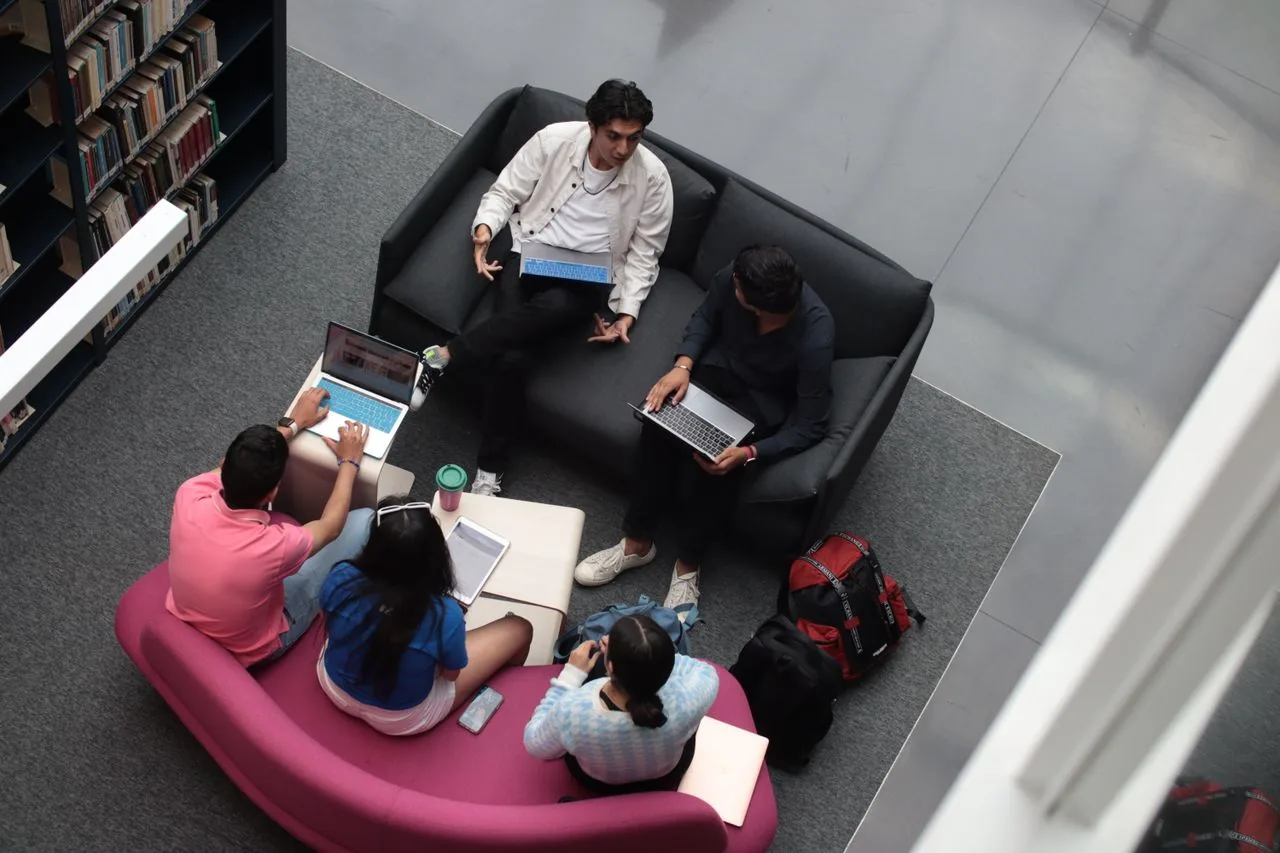
Why computer literacy matters in theatre training, with a practical framework for helping production students work confidently across digital tools.
Learn how 3D and hybrid models become readable 2D construction documents through viewports, render modes, sections, details, annotations, and publishing.
Learn how staged lighting, camera framing, viewport linking, Renderworks styles, and export settings create a finished presentation rendering.
Learn how a real reference becomes a disciplined 3D table model through scaling, traced profiles, sweeps, extrudes, textures, and hybrid symbol creation.
Learn how the 3D tool palette creates and edits primitives, faces, edges, extracted surfaces, fillets, chamfers, tapers, deforms, and shell solids.
Learn how to create a single 24x36 PDF without a plotter by setting the sheet size and publishing the full printable area to one page.
Learn the foundational 3D modeling operations in Vectorworks: Extrude, Add Solids, Subtract Solids, Intersect Solids, Section Solids, Multiple Extrude, Sweep, Split, and Extrude Along Path.
Learn how render modes, mapping types, scale, shader settings, face assignment, and lighting shape believable Vectorworks textures.
Learn how hybrid symbols pair detailed 3D geometry with simplified 2D Top/Plan graphics for reusable drawing and modeling assets.
Learn how viewport annotations, labels, dimensions, markers, detail viewports, and publishing settings turn drafted views into readable documentation.
Learn how 2D symbols behave in the Resource Manager and drawing, including grouped and page-based behavior, instance scaling, and definition editing.
Learn how core 2D edit and modify commands reshape, mirror, offset, split, connect, transform, combine, and duplicate geometry efficiently.
Learn how the Resource Manager organizes, previews, imports, filters, and applies reusable Vectorworks resources.
Learn how sheet layers turn design-layer drawings into printable documentation through viewports, crops, title blocks, labels, and scale controls.
Trace, scale, and save a crown molding profile as a reusable 2D drafting symbol in Vectorworks.
Learn the foundational 2D drafting tools in the Vectorworks Basics palette, including selection, navigation, annotation, shapes, and tool modes.
Learn how a shared Vectorworks user folder, workspace, and template standardize tools and document settings for a class or team.
Learn the Vectorworks interface through menus, palettes, view controls, coordinate axes, and the tools scenic designers use most often.
Learn how classes control object appearance, attributes, hierarchy, and visibility across a scenic drafting file.
Learn how design layers separate architecture, scenery, and lighting into readable drawing planes with visibility, scale, and stacking-order control.
Portfolio guide
Ask Brandon’s portfolio